0%

Choosing a Custom Sofa Factory in 2026 means looking beyond polished showroom photos. A sofa may look substantial online, yet arrive with shallow cushions, uneven seams, or a frame that creaks under daily use. Ask how the factory builds, tests, and finishes each piece. Specific answers matter.

Arts and Crafts designer William Morris wrote, “Have nothing in your houses that you do not know to be useful, or believe to be beautiful.” His principle offers a useful lens for choosing a Custom Sofa Factory: prioritize comfort and construction, not appearance alone. Request frame and spring details, fabric specifications, cushion-fill options, production timelines, and care guidance. If possible, inspect a sample or visit the workshop. A close look at stitching, corner joints, and fabric alignment can reveal more than a brochure.

Still, no checklist guarantees a perfect result. Materials vary, and personal comfort is difficult to judge from measurements alone. I would be cautious of vague promises about durability, even when the photos look convincing. Compare written quotes, clarify what customization includes, and ask how the factory handles adjustments or defects. Keep the answers. This guide explores the practical questions that help buyers assess craftsmanship, communication, lead times, and value before placing an order. A little doubt is useful. It encourages better questions.
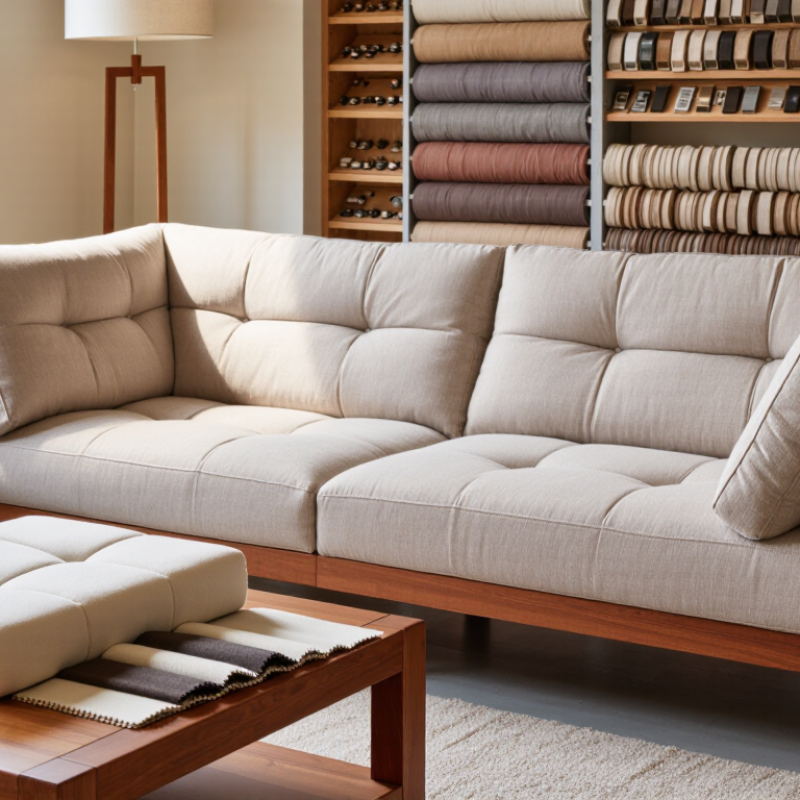
How to Choose a Custom Sofa Factory in 2026?

Define Your Custom Sofa Requirements and Project Scope

Before contacting a custom sofa factory, turn the room into a measurable brief. Record the available width, depth, doorway clearance, and stairwell turns. A sofa that fits the floor plan may still fail at delivery. Mark the preferred seat depth, back height, cushion firmness, and number of seats. Be specific.

Define how the sofa will be used. A family lounge needs different cushion resilience and cleanability from a lightly used reception area. List fabric priorities, such as visible texture, pet-hair release, or resistance to fading near a sunny window. Add reference photos, but label what you like in each one. A photo alone leaves room for costly guesswork.

Set quantities, delivery location, target date, budget range, and any installation needs before requesting a quotation. The 2024 U.S. Houzz & Home Study reported a $24,000 median renovation spend for 2023. This covers wider home projects, not sofas, but it illustrates why furniture budgets should be set separately. Ask the factory to identify what its quote includes, such as fabric, sample approval, packaging, and freight. I have seen buyers focus on appearance and overlook delivery access. That detail is easy to miss. Define acceptable substitutions and approval checkpoints in writing, too.

Identify Factories with the Right Capabilities and Production Scale

A custom sofa factory should match the design’s real demands, not just present an impressive showroom. Ask whether its team can work with your frame drawings, cushion dimensions, upholstery choices, and stitching details. Request a sample that includes the actual fabric and seam style. Small details matter. Check how the factory records revisions, since a changed arm width or foam density can easily be missed between sampling and production.

Look for the equipment and skills your order needs. A curved frame may require different woodworking methods from a simple straight-sided sofa. Ask who checks frame stability, foam consistency, and upholstery tension, and at which production stages those checks happen. If possible, observe a work area and inspect a finished piece from several angles. A spotless showroom is reassuring, but it may not reveal how everyday orders are handled.

Production scale should fit your quantity and timeline. Ask about normal monthly output, current workload, minimum order quantities, and how the factory schedules custom runs. Then compare those answers with a realistic sample and delivery plan. Bigger is not always better. A small workshop may suit a limited collection, while a larger operation may manage repeated batches more reliably. Still, capacity figures can be optimistic; request examples of similar orders and clarify what happens when materials arrive late or a sample needs revision.

How to Choose a Custom Sofa Factory in 2026? - Identify Factories with the Right Capabilities and Production Scale
Evaluation Dimension What to Verify Why It Matters for Production Scale Useful Evidence or Questions
Custom design and engineering Ability to work from drawings, reference samples, dimensions, material specifications, and revision notes. Clear specifications help prevent design interpretation differences when orders or product variations increase. Ask for a sample approval process, drawing sign-off procedure, and a record of how design changes are controlled.
Frame construction Frame materials, joint construction, reinforcement, dimensional accuracy, and inspection before upholstery. Frame-making capacity and repeatable assembly are important for maintaining consistent fit and stability across batches. Request material specifications, frame inspection records, and examples of production frames for the proposed design.
Upholstery and sewing Cutting and sewing equipment, seam consistency, pattern matching, cushion construction, and experience with the selected fabric or leather type. Special materials and detailed upholstery can require more labor and make output less predictable than standard designs. Ask whether the factory has handled the same material category and how it checks color, direction, seams, and matching.
Production capacity and scheduling Available production lines, current workload, staffing plan, lead-time assumptions, and capacity allocated to your order. A factory’s total stated capacity may not equal the capacity available for a new order or a custom product. Request a production schedule showing sampling, material preparation, assembly, inspection, and packing milestones.
Minimum order and batch flexibility Minimum order quantity, repeat-order conditions, and ability to produce multiple sizes, fabrics, or configurations. Smaller or mixed orders may require more setup and coordination; larger batches may support more efficient material planning. Ask for separate pricing and lead-time estimates for the initial order, a repeat batch, and a mixed-specification order.
Materials sourcing and traceability Material availability, approved alternatives, batch identification, and documentation for wood, foam, fabric, and hardware where applicable. Material shortages or substitutions can affect both delivery timing and consistency between production runs. Confirm who purchases materials, how substitutions are approved, and how incoming materials are checked and recorded.
Quality control Incoming-material checks, in-process inspections, finished-product inspection, defect handling, and inspection criteria agreed before production. Documented checkpoints make quality issues easier to detect before they affect an entire batch. Request a sample inspection checklist and clarify how defects, repairs, rework, and rejected units are recorded.
Prototyping and approval Prototype availability, sample lead time, approval stages, and whether approved samples or specifications are retained as production references. A signed-off reference sample reduces the risk of repeating unresolved design or comfort issues at scale. Confirm which features are checked during sample approval, including dimensions, firmness, finish, and upholstery details.
Packaging and shipment readiness Packaging design, protection for upholstery and frames, carton or crate specifications, labeling, and packing inspection. Packaging requirements can affect labor, storage space, loading plans, and the condition of goods on arrival. Ask for packaging specifications and confirm whether a packed-unit check or shipment inspection is available.
Communication and change control Named project contacts, response process, progress updates, and written approval for changes to specifications or schedule. Frequent, documented communication helps coordinate multiple designs, components, and production milestones. Agree on update frequency, escalation contacts, and how cost or delivery changes are confirmed in writing.

Note: Capacity, minimum order quantities, and lead times vary by design, materials, order mix, and factory workload. Confirm current figures directly with each factory before placing an order.

Assess Materials, Construction Methods, and Customization Options

Choosing a custom sofa factory in 2026 means checking what sits beneath the upholstery.

Ask about frame materials, moisture control, and joint details. Corner blocks and screwed, glued joints are easier to assess than vague “solid wood” claims. Request foam density and test information, not just a “high-density” label. Density can indicate support and durability, but it does not guarantee comfort.

Sit on a sample for ten minutes. Then stand up and watch how quickly the cushion recovers.

Grand View Research’s upholstered-furniture market report estimated the global market at USD 57.7 billion in 2022, with projected annual growth of 5.9% through 2030. That forecast signals demand, not factory quality.

Compare fabrics using abrasion, pilling, cleanability, and lightfastness results from consistent test methods. Ask whether fabric direction, seam placement, and removable covers can be specified. Request documented strength and durability testing against relevant furniture standards, plus photos of concealed joints.

Tiny details matter. A hidden cushion zipper helps; an inaccessible repair seam does not.

Confirm seat depth, arm width, cushion firmness, finishes, and production tolerances in a written specification. Check a finished prototype under room lighting before approving production. A swatch can mislead: pile direction and dye lots can shift the color. A factory may not meet every preference, and that limitation should be stated plainly.

Verify Quality Standards, Certifications, and Communication Practices

How to Choose a Custom Sofa Factory in 2026?

A showroom sample can hide uneven stitching, weak joints, or foam that quickly loses shape. Verify the factory’s quality standards with real production records. The ISO Survey of Management System Standard Certifications reported 1,265,216 valid ISO 9001 certificates worldwide in 2022. That figure counts certificates, not well-made sofas. Check that any certificate is current and covers the actual manufacturing site and relevant processes. Ask to see inspection records, material traceability, and examples of corrective actions.

Request fabric abrasion results using a stated method, such as ISO 12947-2, and foam test records referencing applicable ASTM D3574 methods. Confirm the tested material matches your chosen fabric and foam. A document alone is not proof. Ask who performed the test, when it was done, and what acceptance limits apply. Communication deserves the same scrutiny: agree on one contact person, response times, approval steps, and how changes affect cost and delivery. Get these details in writing. Small gaps matter.

Tips: Send a one-page specification with dimensions, cushion details, fabric code, and finish. Ask the factory to repeat the requirements back before production. A video call can show a sewing line or frame joint, though it cannot replace an independent inspection. I would still check a pre-shipment sample; even careful teams can miss a detail.

Compare Pricing, Lead Times, and Contract Terms Before Choosing a Factory

How to Choose a Custom Sofa Factory in 2026?

Compare Pricing, Lead Times, and Contract Terms Before Choosing a Factory

A low quote can hide costly gaps. Ask each factory to price the same sofa specification, including frame material, cushion density, fabric grade, packaging, and delivery. Request separate costs for samples, tooling, and freight. A detailed quote makes comparisons fairer. Check whether the quoted fabric is actually in stock; a substitute can change both the look and the delivery date. It is tempting to compare only the final price. That shortcut can mislead.

Lead times should include more than the factory’s stated production days. Ask when the clock starts, how holidays or material delays affect the schedule, and whether partial shipments are possible. Then read the contract carefully. Look for payment milestones, cancellation terms, product tolerances, inspection procedures, and responsibility for repair or replacement.

Make sure the final specification matches the approved sample, including dimensions and stitching details. Small details matter. If a clause is unclear, ask for plain-language clarification before signing. No schedule is perfect, and I would treat an unconfirmed delivery estimate as a risk, not a promise.

FAQS

What measurements should I prepare before requesting a custom sofa?

Record the room’s width and depth, doorway clearance, and every stairwell turn. Measure twice. Note your preferred seat depth and back height.

How can I explain how the sofa will be used?

Describe who will use it and how often. A busy family lounge may need resilient cushions and easy-clean fabric. A lightly used reception area may need different features.

What should I specify about the fabric?

Mention texture, pet-hair release, and fading resistance near sunny windows. Add reference photos, then label the exact details you like.

What should a quotation clearly include?

Ask whether the quote covers fabric, sample approval, packaging, freight, and installation. Provide your quantity, delivery location, target date, and budget range.

How can I reduce misunderstandings during production?

Put acceptable substitutions and approval checkpoints in writing. A sofa can fit the room but still fail at delivery. That detail is easy to miss.

How can I assess a factory’s technical capabilities?

Share frame drawings, cushion dimensions, upholstery choices, and stitching details. Request a sample made with the actual fabric and seam style.

What production checks should I ask about?

Ask who checks frame stability, foam consistency, and upholstery tension, and when. If possible, inspect a finished sofa from several angles. Small details matter.

Is a larger factory always a better fit?

No. Match production capacity to your quantity and timeline. Ask about monthly output, current workload, minimum order quantities, and scheduling.

How can I judge whether a delivery schedule is realistic?

Request examples of similar orders. Ask what happens if materials arrive late or a sample needs revision. Capacity figures can be optimistic, so I would check again.

Conclusion

Choosing the right Custom Sofa Factory in 2026 starts with a clear project brief. Define the sofa’s dimensions, style, intended use, quantity, budget, and delivery needs before contacting potential suppliers. Then look for factories whose equipment, workforce, production capacity, and experience match the scale and complexity of your order. Ask about available fabrics, frame materials, cushioning, construction methods, and the degree of customization they can support.

Before making a decision, review sample workmanship and request clear details about quality checks, relevant certifications, and how the factory will communicate throughout production. Compare written quotes carefully, including material specifications, production and shipping timelines, payment schedules, and procedures for handling changes or defects. A suitable factory is not simply the one offering the lowest price; it is a dependable partner that can meet your requirements, explain its process, and provide realistic commitments from initial design through final delivery.

Olivia

Olivia

Olivia is a professional marketing specialist with a strong understanding of the company’s products, customers, and market. She regularly contributes expert articles to the company website, making complex product information clear, practical, and useful. Her writing covers product features,......