SOVAA PT SOVAA KARYA INDONESIA
Choosing the right Contract Sofa Manufacturer can shape a project’s comfort, appearance, and long-term performance. A sofa may look excellent in a showroom, yet fail under daily hotel use. That difference matters. This guide explains how to assess a manufacturer through practical evidence, technical knowledge, and dependable communication. Small details matter.
Begin by reviewing the manufacturer’s experience with hotels, restaurants, offices, and other commercial spaces. Ask for completed projects, fabric samples, frame specifications, and realistic production photographs. A reliable supplier should explain foam density, suspension systems, stitching methods, fire-performance options, and cleaning requirements clearly. Avoid vague promises. Written specifications protect both sides.
Quality should be tested, not assumed. Sit on a sample, inspect the seams, and check whether cushions recover their shape after repeated use. Look beneath the upholstery. Solid timber, reinforced joints, and consistent finishing usually reveal careful workmanship. Certifications and factory quality procedures can support trust, but they should be current and verifiable. A polished brochure proves little.
Production capacity also deserves attention. Confirm lead times, sample approval stages, packaging methods, replacement support, and communication channels. Compare quotations carefully. The lowest price may hide thinner materials, weaker quality control, or expensive delays. The highest price is not automatically the safest choice. No checklist is perfect. Even experienced buyers can overlook small risks. That is why factory visits, reference checks, and clear contracts remain valuable. Choose a Contract Sofa Manufacturer that combines tested craftsmanship, transparent service, and the ability to deliver consistent results across the entire order.
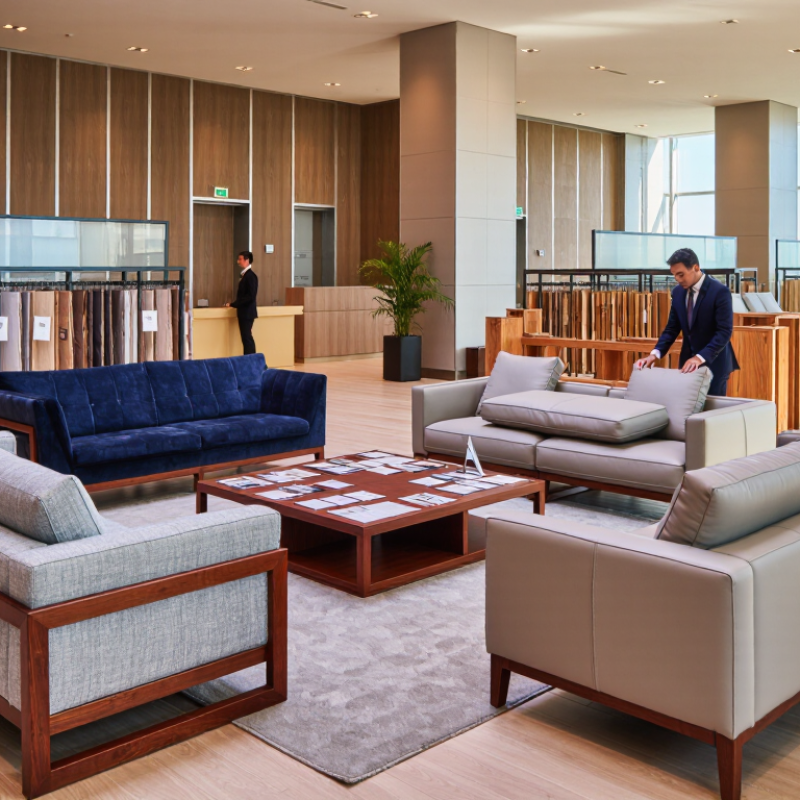
Before comparing contract sofa manufacturers, define the project in measurable terms. A hotel lobby sofa faces different demands than a quiet executive lounge. Record the location, daily traffic, user profile, and expected service period. Add a simple floor plan with door widths, lift dimensions, and final placement points. These details prevent a beautiful sofa from becoming an installation problem. Include target dimensions, seat height, arm width, back angle, and cushion firmness. “Comfortable” is too vague. A firmer seat may support short meetings, while deeper cushions suit longer stays.
Specify upholstery performance, cleaning routines, color limits, and maintenance access. Request material data, test results, sample cards, and care instructions from each manufacturer. Check seam positions, zipper access, cushion replacement, and frame construction. A contract sofa should survive repeated use, not only look impressive in a showroom. Ask about foam density, suspension, joinery, and load expectations. Do not rely on photographs. Physical samples reveal sheen, texture, edge softness, and color changes under actual lighting. Test them near windows and artificial lights. Small detail. Also define packaging, delivery timing, installation responsibility, and inspection procedures.
Budget planning needs more than a unit price. Separate the sofa, fabric, customization, freight, installation, spare covers, and future repairs. State the required quantity and acceptable production variation. Some early specifications will be wrong; that is normal. Review them after a sample is tested by real users. A prototype may expose a low arm, slippery fabric, or awkward cleaning gap. Record those findings and revise the brief before approving production. Share one controlled specification document with drawings, finish codes, tolerance ranges, and approval dates. Clear documentation makes manufacturer comparisons fairer and reduces costly assumptions.
Request a customization matrix with frame dimensions, seat depth, foam density, stitching, legs, and fabric options. It should also list fire-test documents and engineering limits. Vague promises are risky. Physical samples reveal details that fabric cards cannot show.
A physical sample shows firmness, seam alignment, foam recovery, and fabric behavior. Sit on it for at least ten minutes. Check it under realistic hotel lighting. A showroom sample may not match production materials. I once trusted a fabric card. That was not enough.
Ask the quotation to separate prototype fees, tooling, upholstery upgrades, packaging, freight, and installation. Confirm whether sample revisions are included. A low unit price can hide setup charges. Compare lifecycle cost, not only the purchase price.
Confirm the minimum order per model, color, fabric, and delivery batch. Some manufacturers allow mixed finishes. Others require one finish per production run. If you need 38 sofas, a 50-piece minimum may create unwanted inventory. A pilot batch could reduce pressure.
Confirm deposits, payment milestones, storage fees, and cancellation conditions before signing. Put approved drawings and sample codes inside the purchase file. Small omissions become expensive. I would not rely on a verbal agreement.
Request separate dates for sample approval, material booking, production, inspection, and shipping. Ask for a written delay procedure. “Four weeks” may mean four weeks before materials arrive. That wording needs challenge. Keep it measurable.
The warranty should state coverage periods, exclusions, labor costs, and claim evidence. Request a written inspection standard and replacement process. Check cushion density, carton dimensions, and fire-performance documents. A warranty without clear evidence requirements may disappoint.
Ask for response times, replacement-part availability, and a named service contact. Confirm who handles installation and later repairs. Test support with one written question before signing. Keep a spare fabric swatch. You may need it later.
Choosing the right Contract Sofa Manufacturer begins with clearly defining your project requirements, including sofa style, dimensions, intended use, quantity, budget, and delivery schedule. Evaluate each manufacturer’s industry experience, production capacity, quality control systems, and ability to handle projects similar to yours. It is also important to review the materials, frame construction, upholstery, durability, fire safety, and other relevant compliance standards to ensure the finished products meet your expectations and project requirements.
Next, compare customization options, pricing structures, minimum order quantities, and payment terms. Request samples or prototypes to assess comfort, appearance, workmanship, and material consistency before placing a full order. Confirm realistic lead times, packaging methods, warranty coverage, replacement policies, and after-sales support. A reliable manufacturer should communicate clearly, provide transparent documentation, and offer practical solutions throughout the process. By reviewing these factors carefully, buyers can reduce risks, control costs, and build a dependable partnership for long-term commercial furniture projects.